


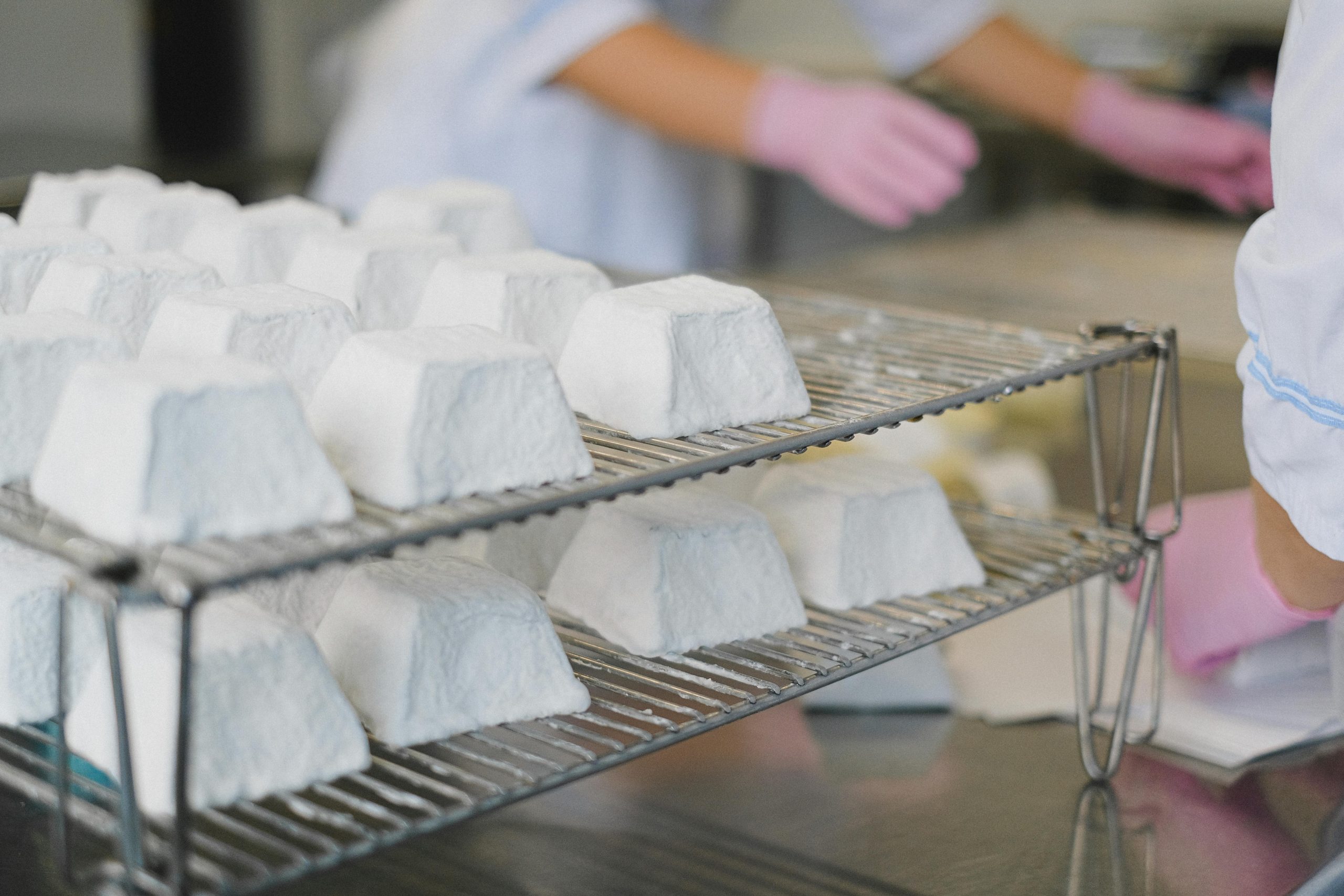
Every dairy plant generates wastewater. In large volumes and with a high organic load. Milk, whey, cream, cleaning detergents, rinse waters — all of it eventually reaches the sewer network or the plant’s own treatment station. The question is not whether you need to manage it, but how well you do it — and what it costs you if you don’t.
What Dairy Plant Wastewater Contains
Unlike domestic wastewater, effluents from the dairy industry have a complex and variable chemical profile, with several common characteristics that make them particularly demanding for any treatment system.
High organic load (elevated COD). COD — chemical oxygen demand, the standard indicator for the organic load of an effluent — can range in dairy plant wastewater between 1,500 and 8,000 mg/l, depending on the type of production and how efficiently separate streams are collected. By comparison, domestic wastewater typically has a COD of 300–600 mg/l. In other words, one liter of effluent from a dairy plant can be 10–15 times more challenging to treat than urban wastewater.
Fats and proteins in suspension. Milk, cream, and whey contain emulsified fats and proteins that end up in wash and rinse waters. Fats create specific problems in sewer networks — deposits, blockages, odors — and are explicitly regulated through discharge limits.
Detergents and disinfectants from CIP processes. Cleaning-in-place (CIP) is standard in any modern dairy plant and uses significant volumes of water with alkaline detergents, acid rinses, and disinfectants. These wash waters have extreme pH levels — sometimes below 3 or above 12 — and can destabilize the biological process in a treatment plant if they are not managed separately or neutralized before discharge. We have covered the importance of managing these streams correctly in the broader context of our solutions for the food industry.
Elevated temperatures. Waters resulting from pasteurization, sterilization, and associated thermal processes can exceed the discharge limits permitted for the sewer network — generally a maximum of 40°C under current regulations. Discharging hot water destabilizes biological processes at the municipal treatment plant and can attract penalties.
High variability over time. Production in dairy plants is often batch-based — cleaning takes place at the end of each shift, and milk processing follows the seasonality of collection. This means effluent flow rates and loads vary significantly throughout the day, creating peak loads that test the capacity of any treatment system.
What the Law Says: NTPA-001 and NTPA-002
The discharge of industrial wastewater in Romania is governed by two main regulations, both with clear limit values that the plant must meet at the discharge point.
NTPA-002 regulates the discharge of wastewater into municipal sewer networks — that is, situations where the plant does not have its own treatment station and discharges into the public system. Limit values include, among others: maximum COD of 500 mg/l, maximum fats and oils of 30 mg/l, pH between 6.5 and 8.5, and maximum temperature of 40°C.
NTPA-001 regulates direct discharge into water bodies — rivers, lakes, canals — and sets stricter limits: maximum COD of 125 mg/l, maximum fats of 20 mg/l.
If a dairy plant can generate effluents with a COD of 8,000 mg/l, it immediately becomes clear that direct discharge without treatment is not an option. The gap between what enters the treatment system and what must exit has to be bridged by efficient equipment and processes.
Non-compliance is not just a matter of one-off fines. The Environmental Guard can impose production restrictions, require mandatory investments with set deadlines, and generate negative publicity that affects retailer relationships — especially as major retail chains increasingly require sustainability audits from their suppliers.
What an Effective Treatment Line Looks Like for a Dairy Plant
Dairy wastewater treatment is carried out in stages, each with a specific role. There is no universal solution — the optimal configuration depends on the volumes generated, the type of production, and where the treated effluent will be discharged (municipal network or direct discharge).
Stage 1: Mechanical Pre-treatment — Coarse Screens and Fine Screens
The first stage removes coarse solids from the effluent: curd residues, cheese particles, impurities from the production process. HUBER ROTAMAT® fine screens and rotary sieves are designed specifically for this application — corrosion-resistant, compact, and with automatic self-cleaning.
This stage protects downstream equipment and significantly reduces organic load before chemical or biological treatment. Without proper mechanical pre-treatment, pumps and reactors in subsequent stages become clogged quickly, generating disproportionate maintenance costs — a risk we analyze in detail in our article on proactive industrial maintenance planning.
Stage 2: Dissolved Air Flotation (DAF) — Fat Removal and COD Reduction
Dissolved air flotation (DAF) is the standard solution for removing emulsified fats, suspended proteins, and a significant portion of particulate and colloidal COD. The process works by introducing microbubbles of air into the effluent: fat and solid particles attach to the bubbles and rise to the surface, where they are mechanically skimmed and collected as floated material.
HUBER dissolved air flotation systems are proven in over 500 installations worldwide and are designed specifically for effluents from the food and dairy industries, with high fat content and variable COD. The HUBER DIGIT-DOSE automatic reagent dosing system continuously adjusts coagulant and flocculant doses based on the actual characteristics of the effluent — minimizing reagent consumption and ensuring consistent compliance with discharge limits, without overdosing.
In a documented case study by Huber, the installation of a DAF system at a dairy plant in Germany confirmed a 50% COD reduction required for discharge into the municipal network, with inlet concentrations ranging between 1,500 and 8,000 mg/l.
Stage 3: Biological Treatment — Residual COD Reduction
For plants discharging directly into water bodies (NTPA-001), or those with large volumes and high COD even after flotation, biological treatment is necessary. SBR (Sequencing Batch Reactor) or MBR (Membrane BioReactor) processes reduce residual COD to the required values through the biological oxidation of dissolved organic matter.
Stage 4: Sludge Dewatering — Reducing Transport and Disposal Costs
Each treatment stage produces sludge — flotation material from the DAF, biological sludge from the biological stage, and solids from mechanical pre-treatment. The volume of wet sludge is significant and, if left untreated, requires frequent and costly transport to authorized disposal sites.
The HUBER Q-PRESS® 620 screw press has demonstrated in real-world dairy industry applications that it can achieve dry solids content exceeding 18% for excess biological sludge and over 30% for flotation sludge, with a separation efficiency above 98% — eliminating multiple daily truck runs.
Reducing sludge volume by 3–5 times compared to untreated wet sludge translates directly into significantly lower transport and disposal costs — a visible monthly saving in the plant’s operational budget. Dewatered sludge can, depending on composition and certification, be valorized in biogas facilities or as agricultural amendment — a direction we discuss in our article on integrated biogas and biomethane solutions.
Heat Recovery from Hot Effluents
One benefit often overlooked in a well-designed treatment system is the recovery of thermal energy from high-temperature effluents. The HUBER RoWin heat exchanger enables cooling of hot wastewater before discharge — maintaining compliance with the 40°C limit — while simultaneously transferring the recovered energy to the plant’s heating processes.
What It Costs to Not Treat Wastewater Correctly
Beyond direct fines, the real cost of non-compliance has several components that are rarely calculated together:
Pollution surcharges levied by sewer network operators for exceeding NTPA-002 limits can multiply the sewage bill several times over. Environmental Guard penalties can reach significant sums per incident. The risk of temporary production shutdown following an unfavorable inspection carries a cost that exceeds any fine. And, not least, relationships with major retailers — who increasingly require environmental audits — can be damaged by a non-compliance record.
Investing in a correctly sized treatment system is not an added cost — it is the elimination of an operational risk and, in many cases, an opportunity to reduce utility and sludge transport costs compared to the current situation.
How We Can Help
We design and implement complete wastewater treatment solutions for dairy plants, from mechanical pre-treatment and flotation to sludge dewatering, using Huber Technology equipment and full local support — technical audit, installation, commissioning, and maintenance.
If you are unsure where you stand relative to NTPA limits, or want to understand what investment would be required for compliance, the first step is an audit of your plant’s wastewater streams.
Contact us for a free assessment
